|
![]() |
Consultancy...AerodynamicsDurabilityElectricalEMC EngineeringMaterialsNVHSafetyThermal ManagementVehicle Dynamics
|
Consultancy : Vehicle Dynamics
Vehicle dynamics is the key attribute to both a vehicle's driveability and its active safety. MIRA has helped develop the ride and handling performance of some of the world's best in class vehicles. How have we achieved this? Converting subjective desires into objective targetsVehicle engineering involves compromises, defining these compromises requires a full understanding of who the vehicle is for and what they expect of it. Converting a customer's subjective opinions into objective targets against which the vehicle can be evaluated is one of the specialist skills MIRA's vehicle dynamicists have gained from a broad range of vehicles.
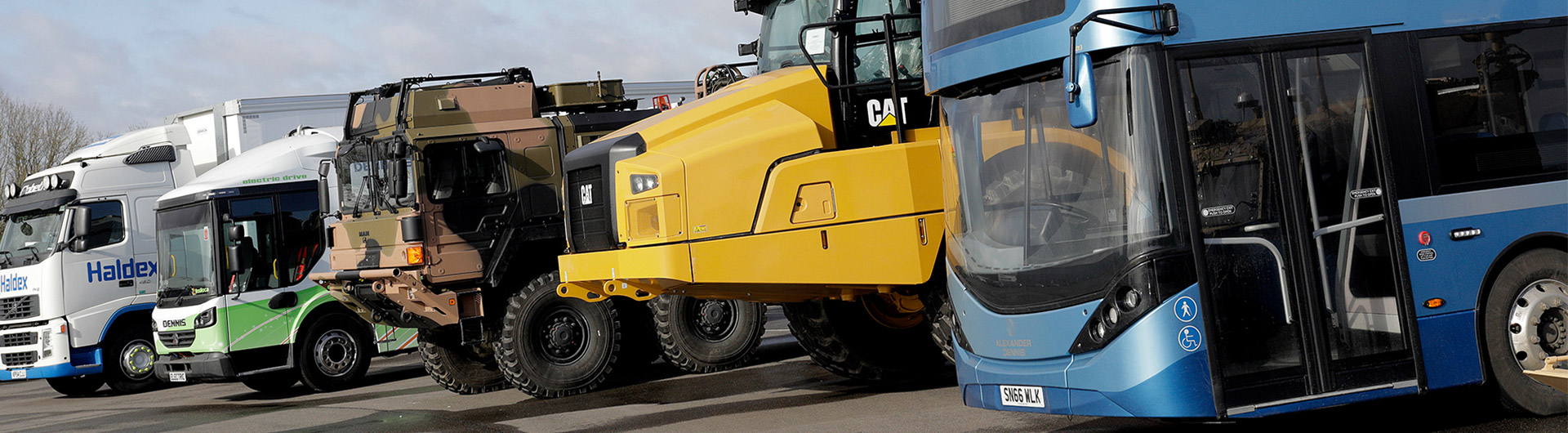
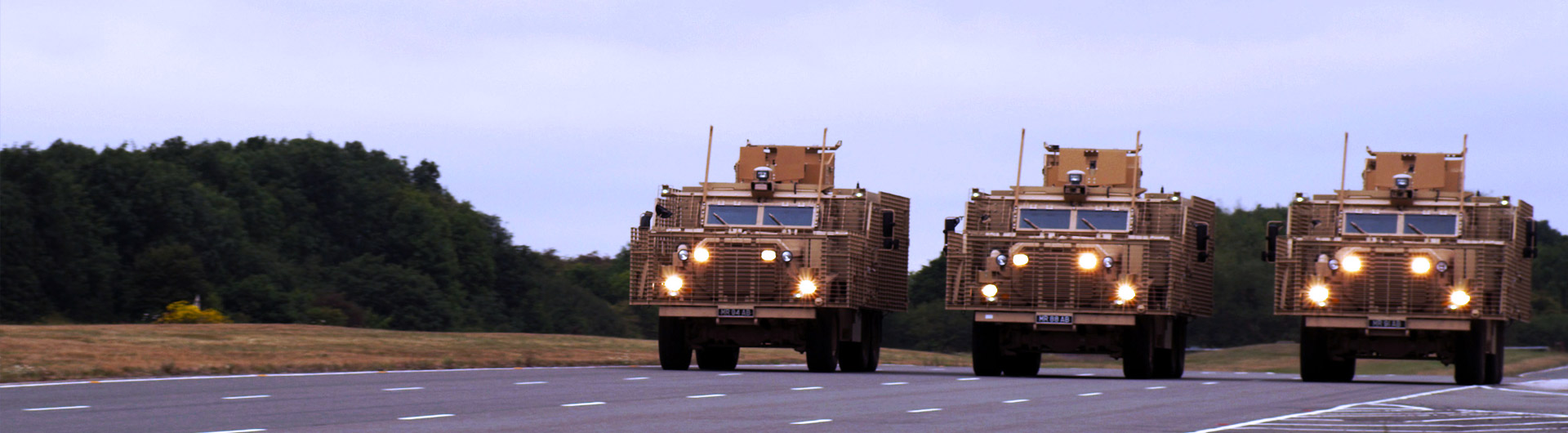
Specialist vehicle dynamicists with experience on vehicles of all types:
Integration of vehicle dynamics with related attributesWorking closely with our experts in steering and suspension design, nvh, aerodynamics, powertrain, electrical engineering and durability ensures decisions on the appropriate compromises, such as those between ride and handling, are made to meet the exacting specification of a particular vehicle. Combining simulation techniques with experimental methodsIn addition to a comprehensive range of tools MIRA has invested in developing proven methods to ensure they are applied to the greatest effect.
Access to test facilities on one siteFrom our extensive range proving ground tracks and surfaces to specialist measuring tools such as our Kinematics and Compliance (K&C) rig, MIRA is equipped to undertake all the required development work. Access to manufacturing and prototyping on one siteBy working closely with system and component suppliers for:
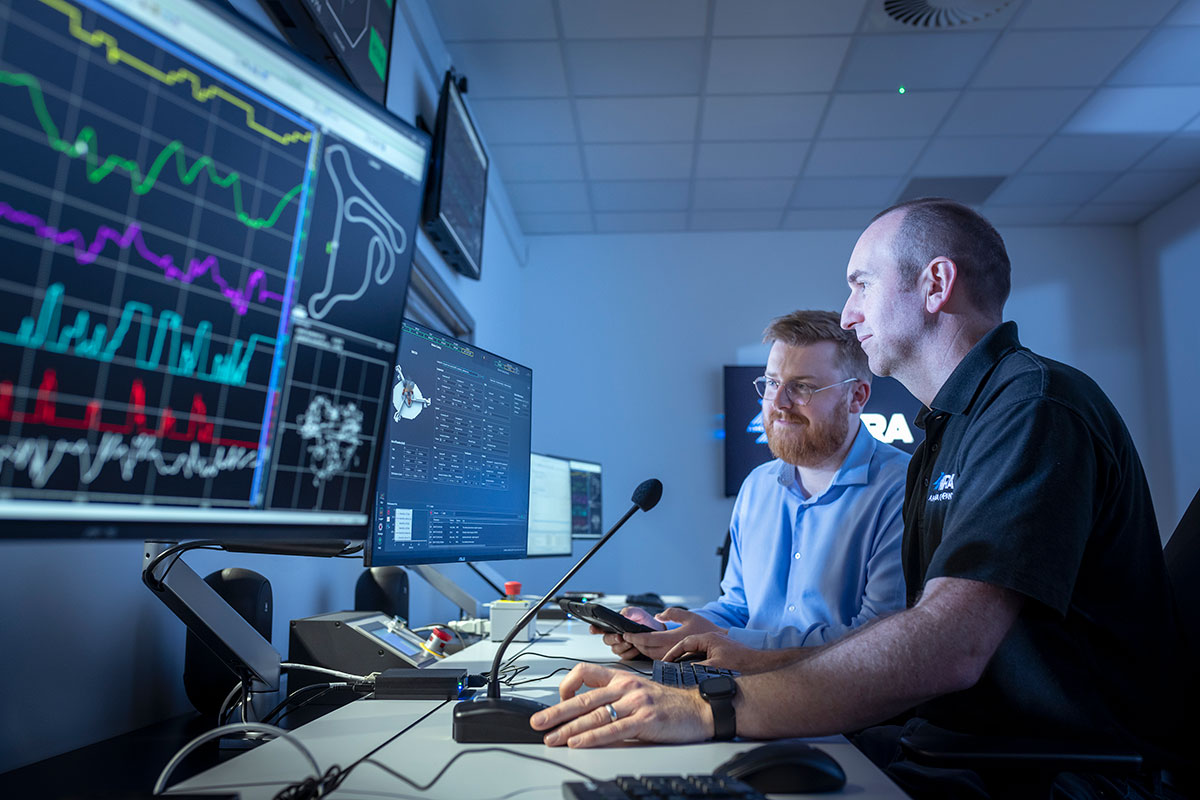
and with our own manufacturing and prototyping facilities we are able to make modifications and improvements rapidly ensuring the development programme is completed on schedule. Modeling and SimulationMSC.ADAMS is used extensively at MIRA to aid the design and development of vehicle components, systems and full vehicle attributes. MIRA has the unique capability of being able to measure most of the data required to build a high fidelity vehicle model as well as having the facilities to correlate the models, such as the MIRA Kinematics & Compliance test rig. The use of finite element (FE) flexible bodies is essential for the accurate modeling of compliant components such as twist-beams, anti-roll bars and subframes. MIRA also has the capability to generate and validate these FE models and convert them into MSC.ADAMS flex bodies. Suspension Design & DevelopmentSuspension and steering characteristics are simulated by conducting kinematic and elesto-kinematic (compliance) analysis in MSC.ADAMS/Car. This enables MIRA engineers to set initial handling attributes at the subsystem level such as wheel rates, roll stiffness’ and roll-steer gradients before conducting full vehicle simulations. It also enables fine tuning of system parameters later in the design process such as bush stiffness’ and anti-roll bar settings. MIRA also use MSC.ADAMS/Durability to check stress levels under operating conditions which enables any potential durability issues to be identified earlier in the design process.
Component Durability AnalysisThe use of a full vehicle MSC.ADAMS/Car model on the MIRA Virtual Proving Ground enables us to obtain simulated road load data. MSC.ADAMS is also used to generate component modal stress time history loading data that can be used to conduct fatigue life predictions of individual components. These methods have been validated by conducting similar fatigue life tests on real components laboratory test rigs and comparing failure zones and life predictions.
|
Case Studies
Safety system integration
Optimus, our benchmark
Innovative modular
Tesla high-performance
|