Consultancy...

Aerodynamics

Durability

Electrical

EMC Engineering

Materials

NVH

Safety

Thermal Management

Vehicle Dynamics


Consultancy : Integrated Vehicle Safety

What Makes a Safe Vehicle?

For a long time vehicle safety has been synonymous with occupant protection.  Indeed at MIRA we have invested heavily in developing vehicle passive safety; body structures and restraint systems to protect vehicle occupants in severe and potentially fatal crashes.  When it comes to active safety many more of our engineering specialisms are required.  Whether working on advanced chassis and braking systems to help the driver avoid accidents or systems that take control to prevent a collision it is critical that we take a holistic view of vehicle safety.

The above diagram describes MIRA's integrated approach covering all aspects of vehicle safety; preventing and avoiding accidents, reducing the severity of a collision when unavoidable and providing as much protection as possible to all involved.  To do this our engineers use the most appropriate combination of CAE and physical simulation tools.  A good example is restraint system development where we employ software such as MADYMO™ to model the actuation of seat belts and airbags alongside testing using our HyGe impact simulation test facility.

Multi-discipline Expertise

This integrated approach to vehicle safety benefits from access to engineering specialists across MIRA.  Our safety engineers are able to access the latest developments in:

  • Materials e.g. composites and high-strength steels
  • Electronic and electrical systems e.g. car-to-car communications
  • Vehicle dynamics e.g. electronic stability suspension control and anti-lock braking


Design and Development of Safer Vehicles

Active safety cannot be bolted on after a vehicle is designed.  A safe vehicle is the result of designing safety in from the outset.  MIRA has considerable experience in the development and integration of systems such as anti-lock brakes and chassis control systems but of equal importance is our background in developing vehicles that perform and handle well even without these systems.  Similarly when it comes to passive safety our skills in crashworthiness modeling are supported by our many years of experience of crash testing and impact simulation. 

An example of active safety

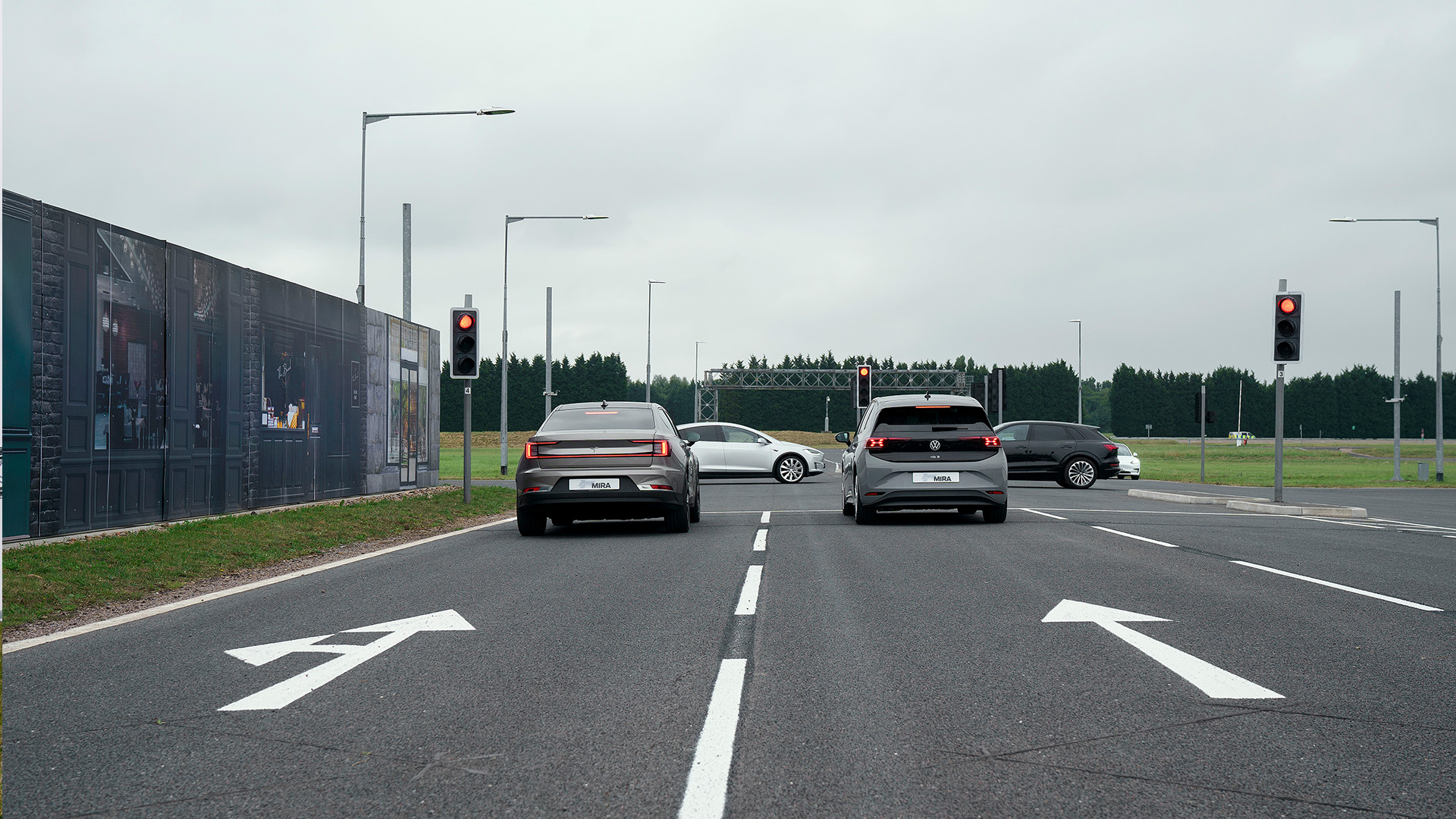
This clip clearly demonstrates the difference in stopping

performance between new and worn tyres

MIRA's consultancy covers measures to avoid accidents through to measures to mitigate their consequences:

  • Active safety

    • Advanced driver information systems
    • Warning and assistance systems
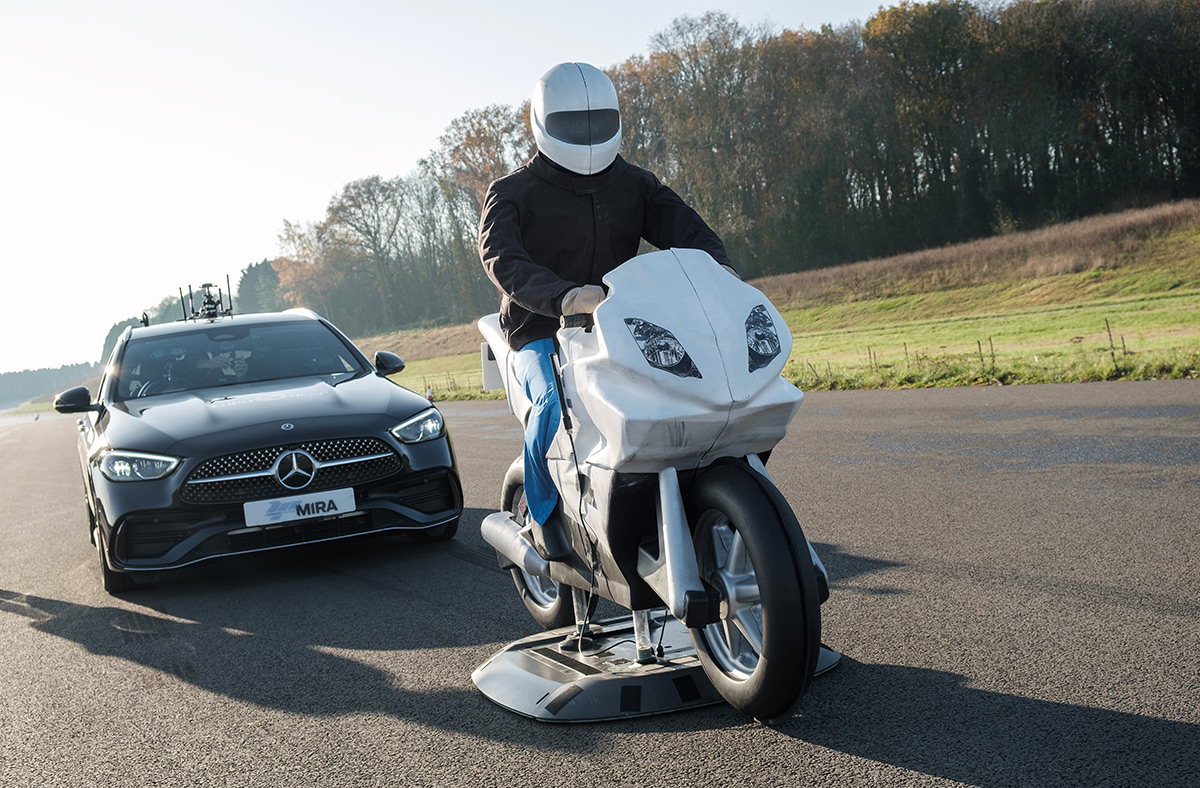
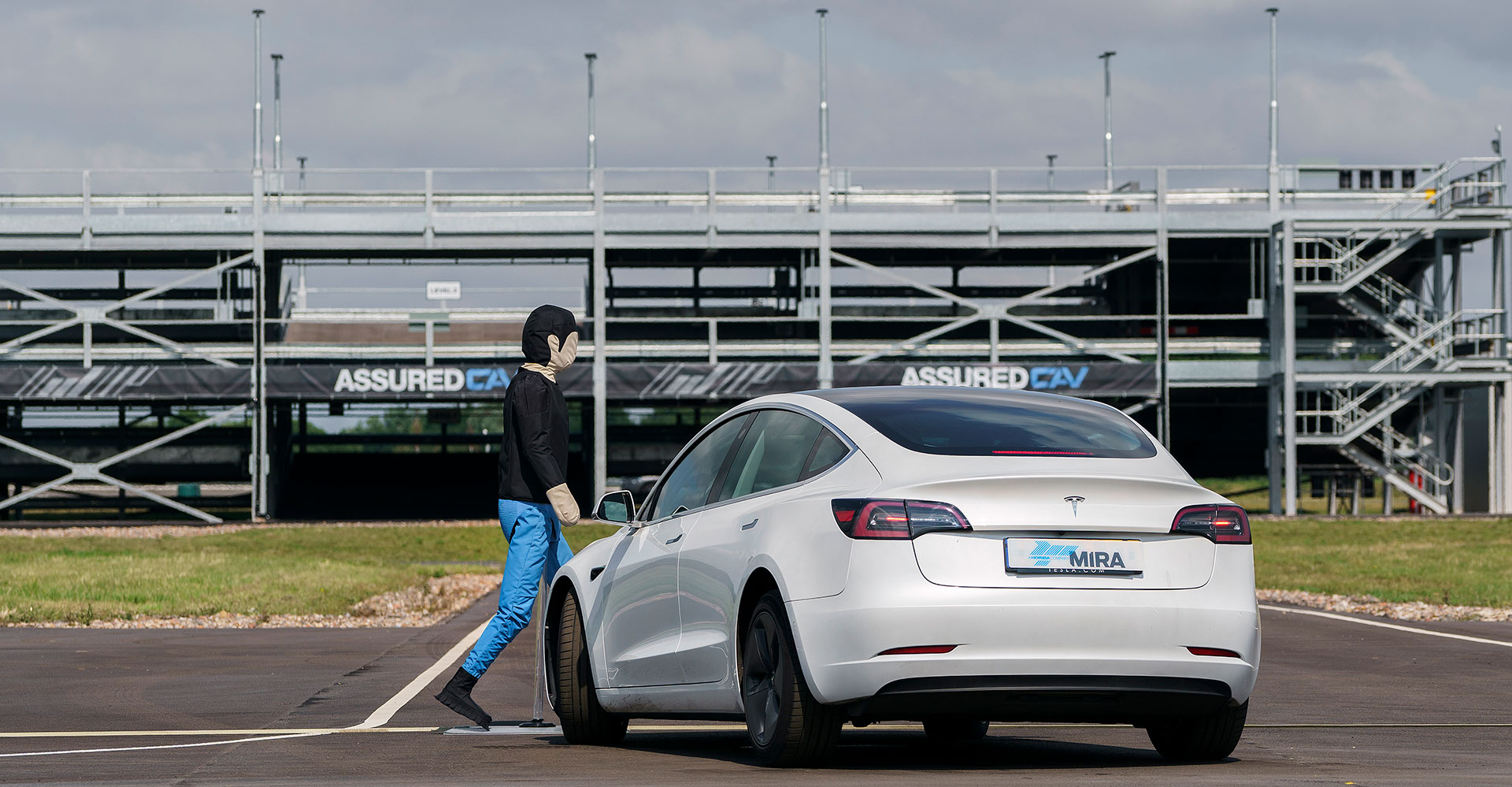
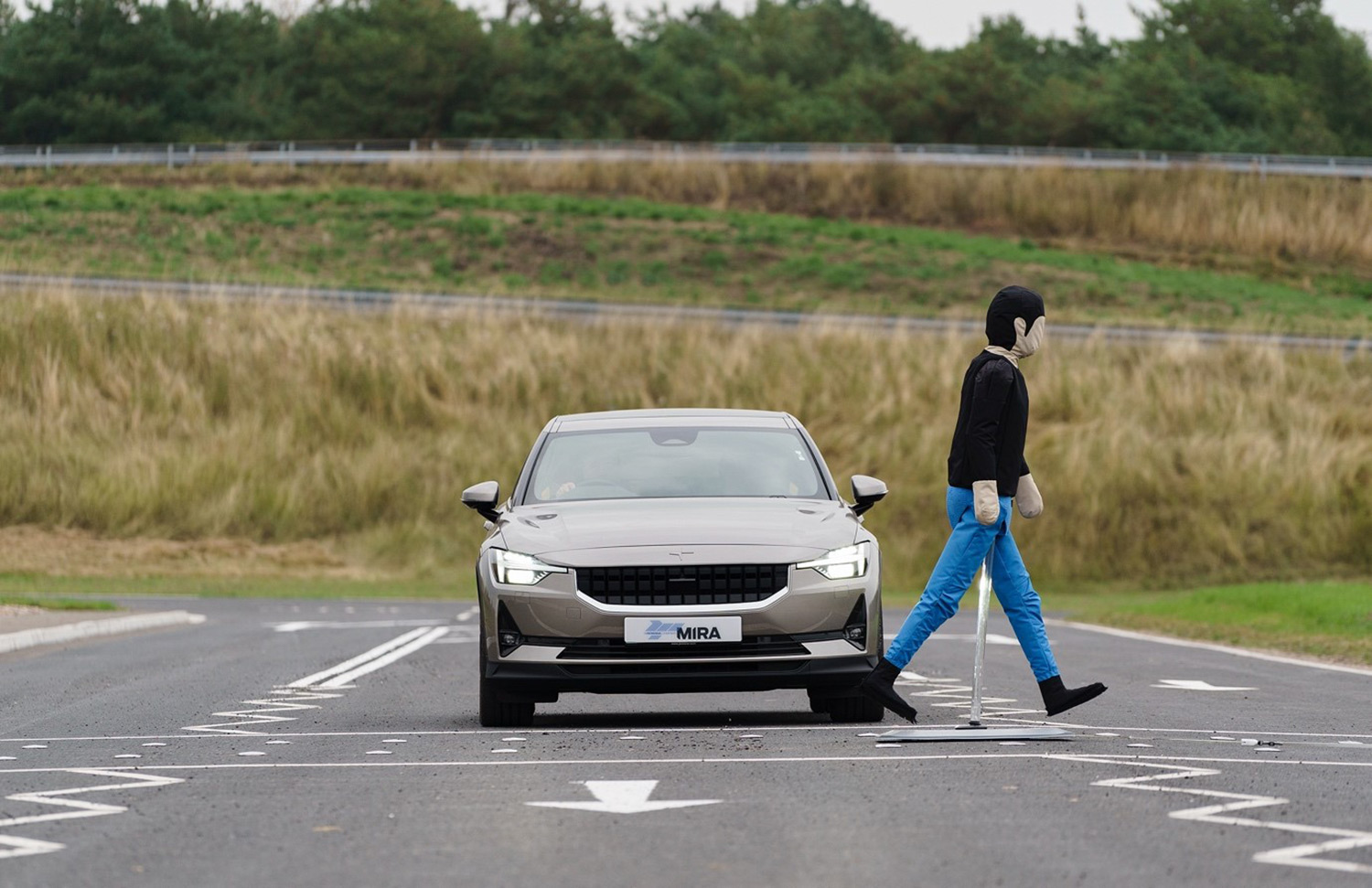
    • Pedestrian and vulnerable road user awareness
    • Collision avoidance and intervention systems
    • Advanced driver assistance systems - braking and vehicle control
  • Crash mitigation

    • Brake assistance
    • Roll-over prevention / protection
  • Passive safety

    • Crashworthiness
    • Restraint Systems; Design, Development and Integration
    • Seat Engineering
    • Pedestrian and vulnerable road user protection
  • Post-crash

    • Accident severity evaluation systems
    • Emergency service notification

Crashworthiness Modeling

The tool used by MIRA for non-linear structural crashworthiness is Dyna3D™. The usual starting point for the work is when the first level package model has been generated by the design team. The modeling team will use these relatively crude models to develop the structure, with the aim of getting a progressive crush mechanism in place for energy absorption, and a sufficiently strong passenger compartment to achieve a stable area for occupant protection.

As the detail and refinement of the CAD information improves, the focus is on retaining the performance of the structure whilst at the same time accommodating the needs of the tooling and manufacturing process. This requires more detailed models and liaison with the design team.

Typical projects that we have been involved in recently include responsibility for meeting legislation and consumer targets for USA and Europe , whilst at the same time achieving BIW mass and stiffness requirements. This has involved working on:

  • Frontal impact
  • Side Impact
  • Rear Impact
  • Quasi static side door intrusion
  • Insurance requirements


Occupant Protection

The key simulation tool used for occupant protection is MADYMO™. We have been using this tool for in excess of 10 years and have seen it develop as the industry standard. The tool is used to understand the likely injury levels received by an individual, when subjected to a variety of impacts.

Since physical testing of a vehicle can often only occur at later stages of the programme, and at specific speeds and impact conditions, the role of the occupant engineer is to develop a restraint system that produces a robust solution that can withstand a wide variety of impacts, and still provide the level of protection that is required for the occupant.

The main projects that we have worked on look at meeting legislative and consumer standards for driver and passenger seating positions in a passenger car. However we also have extensive knowledge of evaluating injury levels for other transport industries such as rail and tram.


Pedestrian Protection

MIRA has been working on pedestrian protection for many years and has led development of both virtual and physical tests for all types of vehicles.  Our pedestrian test facility uses a full range of impactors and was developed to find a practical method of both testing to meet the legislation and understanding the forces, loads and impacts involved. This test experience combined with our early simulation work convinced us that we needed to develop our own simulation models.  The key factor being ensuring that the models were fully representative of the materials and structure of the impactors, and were able to operate at load conditions higher than would be seen in a legislative test.

From research to practical solutions:

The knowledge gained from our research into developing these pedestrian protection models has paid dividends; enabling us to win projects including establishing design guidelines, designing pedestrian friendly bumpers and bonnets through to complete vehicle front ends.  These projects called on expertise across MIRA to deliver solutions that provided the required protection without compromising other important vehicle characteristics.

Case Studies:

Safety system integration for supercar:


Complementary Services and Facilities

Integrated vehicle safety engineering includes:

Safety & Structural Testing

Body engineering

Materials engineering

Materials testing

Chassis engineering

Vehicle dynamics

Ride and handling testing

Extensive Proving Ground test circuits


Case Studies

Safety system integration
for Mercedes-Benz
SLR McLaren

Optimus, our benchmark
HGV cab design

Innovative modular
truck chassis

Tesla high-performance
electric sportscar.


MIRA Ltd. Watling Street, Nuneaton, Warwickshire, UK, CV10 0TU
MIRA Home Page Link