Alongside MIRA’s dynamic and durability test facilities our Body Structures Laboratory conducts testing for all aspects of safety and development for vehicle seating.
View
MIRA has two state of the art climatic wind tunnels (CWTs). These facilities allow our customers to test their products under a wide range of wind speeds while exposed to different global environmental conditions. This enables customers development time-scales to be further compressed, delivering 'right first time' products into markets faster and more cost effectively than their competitors.
MIRA's combined environment facilities enable tests combining cyclic temperature, humidity, solar loading and shock/vibration to be run according to a customer’s exact requirements.
The surface corrugations are ideal for testing suspensions, damping, mountings, and components.
Over 50 years of involvement in crash testing research and development has enabled MIRA to become a centre of excellence in safety development. Working with customers from all around the world we are able to deliver all types of crash testing and supporting services to meet and certify to Euro NCAP, European, U.S and other worldwide safety standards.
MIRA Dummy Certification Facility offers a full range of services for Anthropomorphic Test devices. Apart from maintaining and calibrating MIRA’s fleet of over 40 crash test dummies, in support of the crash laboratory, HyGe laboratory and HAVOC open air crash facility, dummy certification maintains and calibrates, plus hires out crash test dummies for many external test facilities and organisations.
The cross country circuit is ideal for testing all off-road vehicle types.
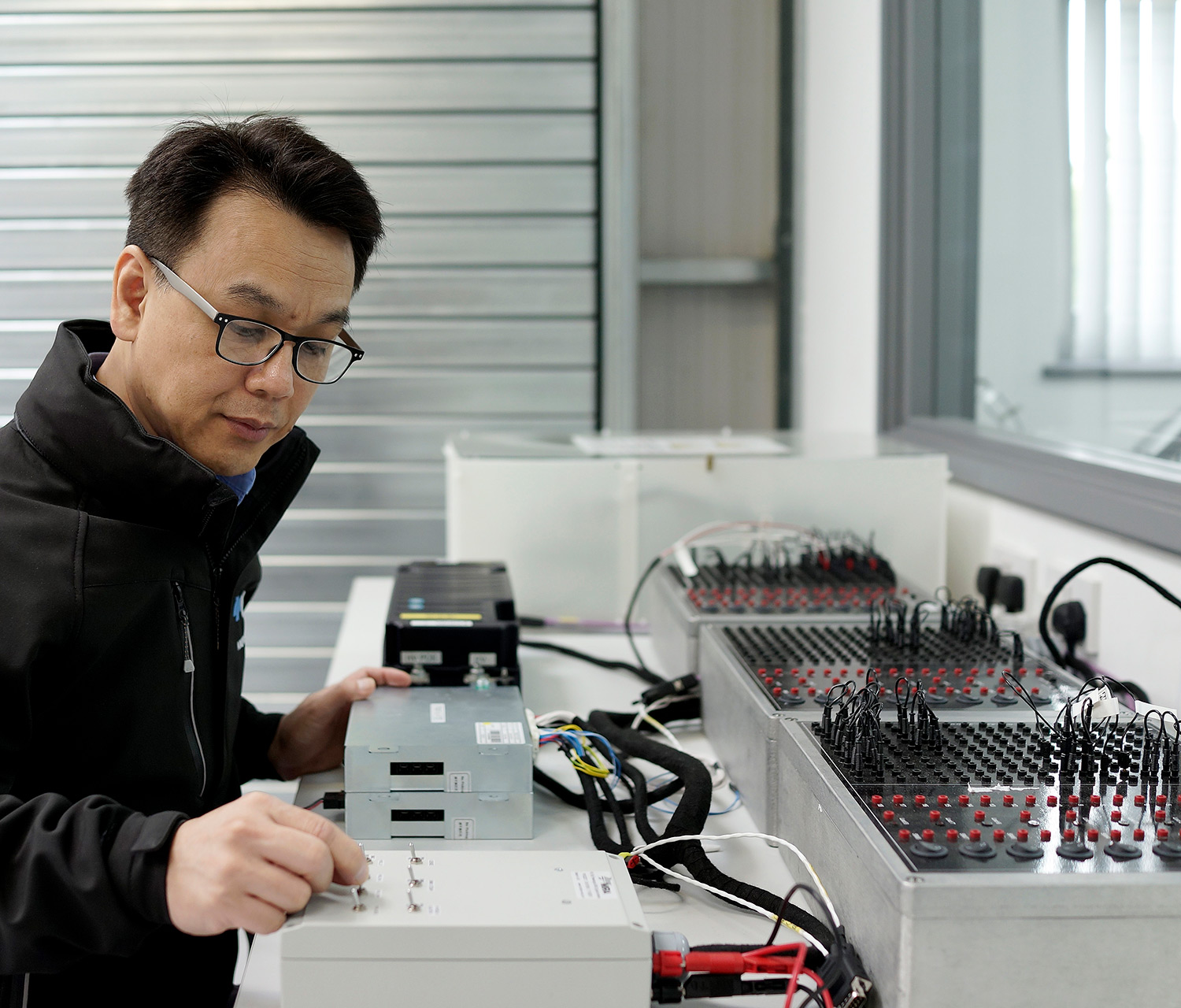
The Components test lab is equipped with a vast range of test equipment to assess the performance of your product. Our aim is to provide rigorous assessment, of the fitness for purpose of the product, over its intended lifetime.
MIRA Component and sub-system testing facilities are accredited for all major vehicle manufacturers test schedules through the automotive EMC laboratory recognition program (AEMCLERP) as well as all the automotive directives.
MIRA Defence EMC testing facilities meet the full requirements for the Def Stan 59-411 and MIL-STD. MIRA is also perfectly placed to support any CE marking requirements of defence systems ensuring the most efficient route to compliance.
MIRA EMC Engineering is an accredited facility to a ISO17025 standard via UKAS. Our vehicle test facilities are approved for all major vehicle manufacturers test schedules through the Automotive EMC Laboratory Recognition Program (AEMCLERP) as well as being an NPIA approved test facility.
MIRA’s Engine Noise Test Cell (ENTC) allows an engine to be run in a semi-anechoic environment under the same conditions (speed, load, temperatures) as it would experience in a vehicle. This enables noise and vibration measurements to be carried out on and around the engine that would not be possible in the vehicle due to space in a typical engine-bay.
MIRA has the UK’s only full scale aerodynamic wind tunnel providing a cost-effective solution for aerodynamic test and development for a wide range of applications from automotive vehicle development, motorsport, aerospace, wind engineering, structures and sport sectors to name but a few.
The handling and stability circuit is particularly appropriate for tyre and chassis development, and pushing vehicles to their handling limit.
The high speed circuit is ideal for conducting durability, emissions, braking and NVH testing.
MIRA’s external crash site is 30,000m2 in size with scope for extensive civil engineering installations. The crash site gives MIRA the ability to test high energy impacts or tests that cannot be carried out within an enclosed crash laboratory environment.
The HyGe sled facility is a key part of MIRA’s safety offering. It provides safety related testing services to numerous worldwide customers across an ever increasing range of sectors.
The inner durability circuit is ideal for durability testing, brake testing, and tyre development.
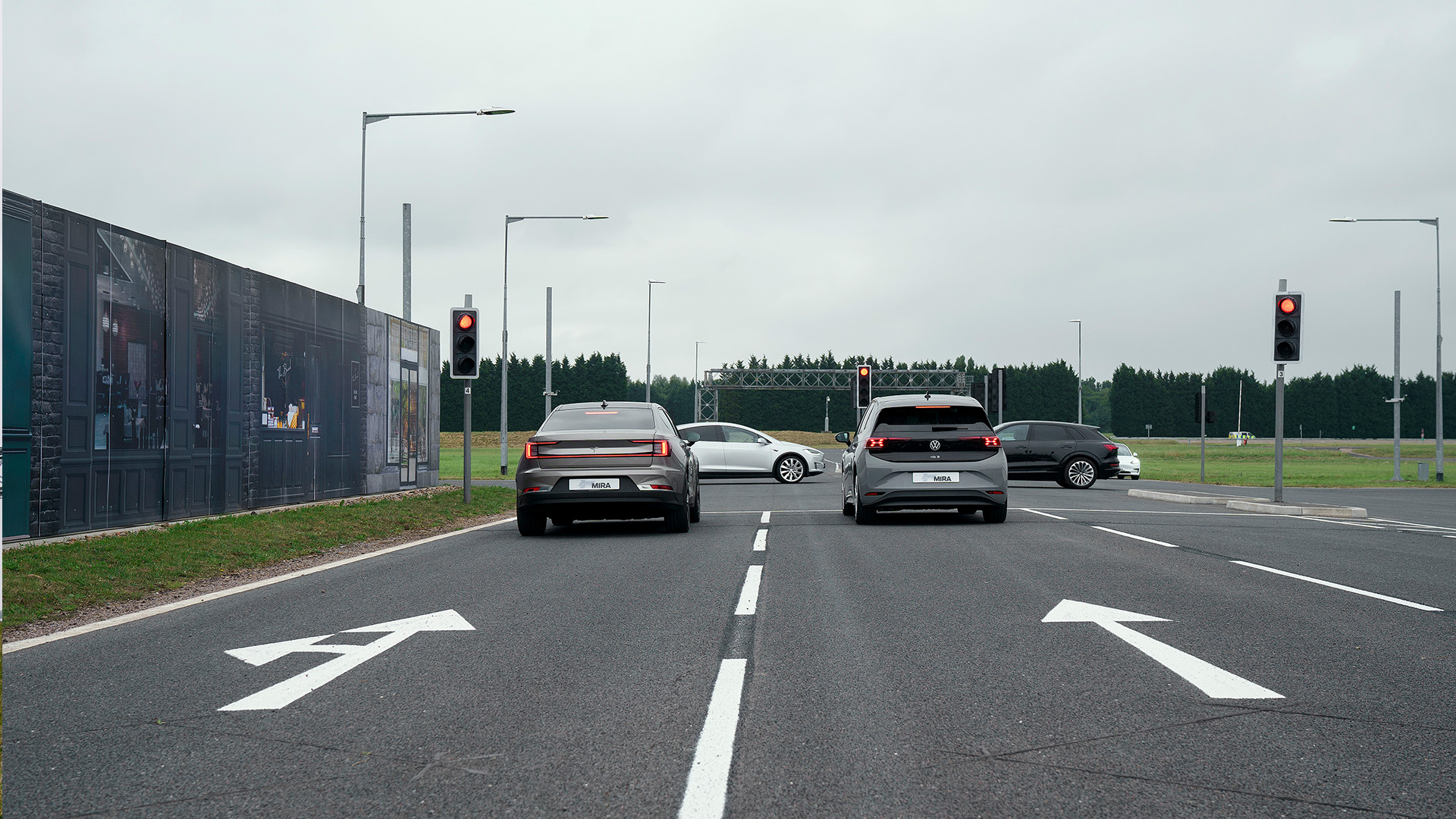
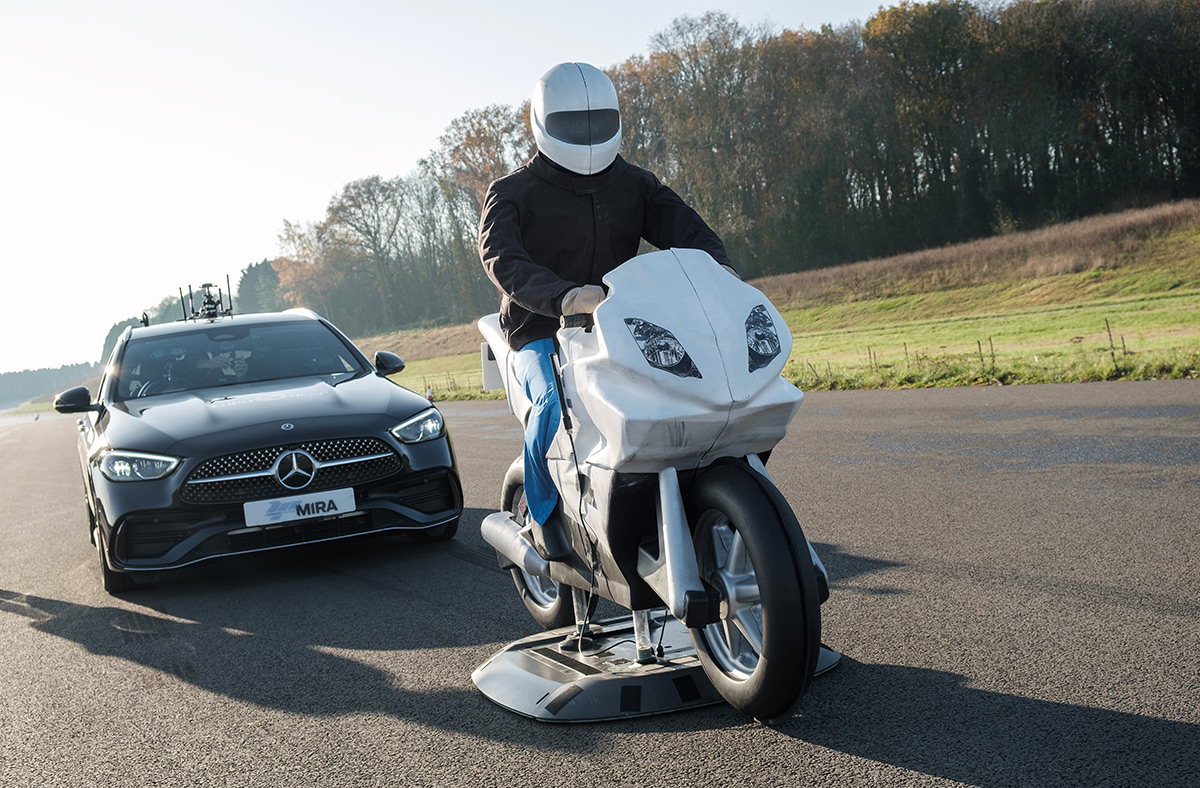
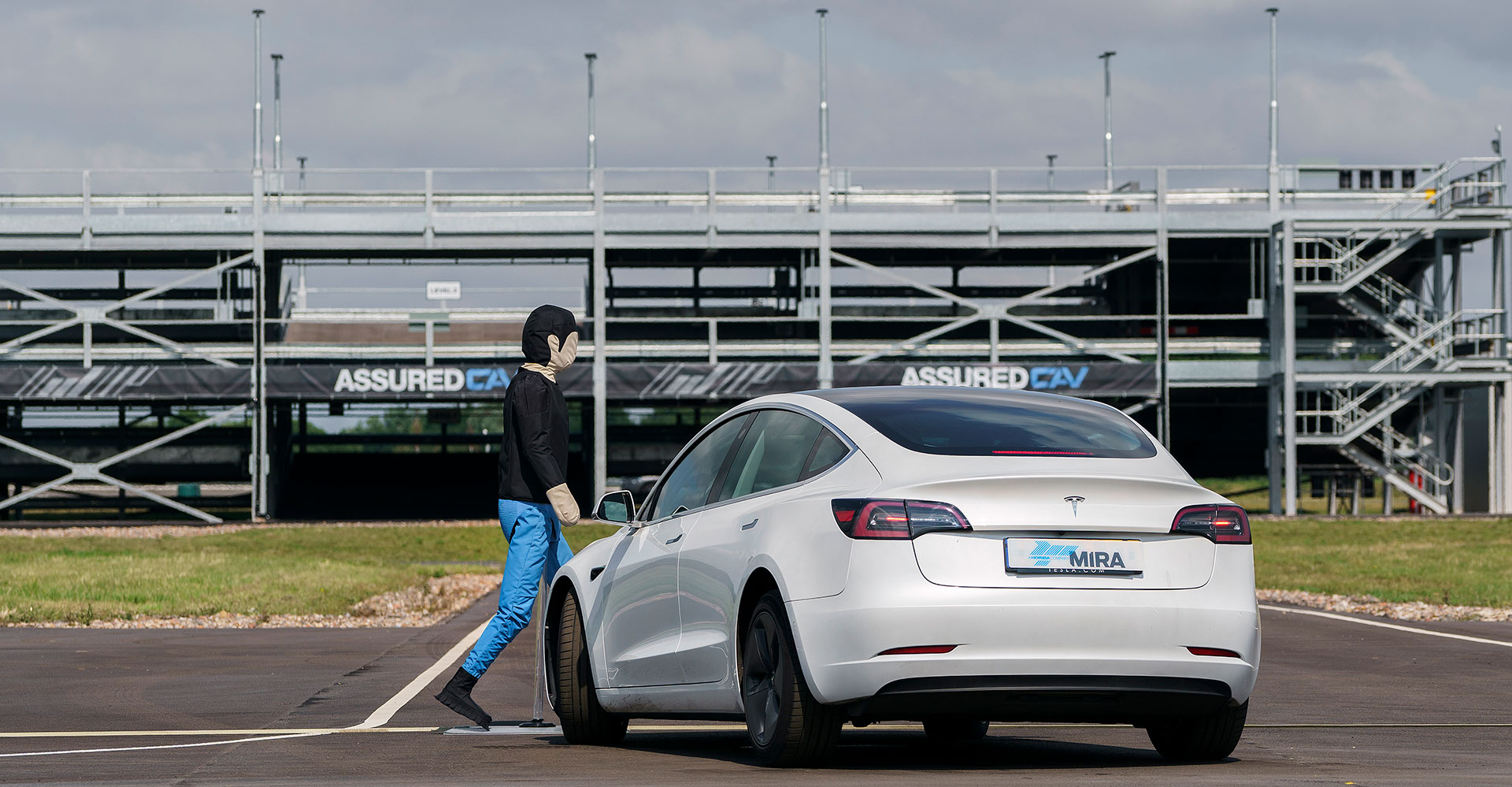
The innovITS ADVANCE facility based at MIRA provides a safe, comprehensive and fully controllable purpose built 'cityscape' test track environment to develop, validate and demonstrate new ITS innovations.
All MIRA's proving ground facilities allow our customers to conduct vehicle testing and development in a controlled and secure environment. The noise measurement surface is ideal for conducting noise drive by legislative testing.
The Kinematics and Compliance (K&C) Facility at MIRA is now well established as the only twin axle SPMM (Suspension Parameter Measuring Machine) in the UK and is still the benchmark design for such rigs. More than 1200 vehicles have been tested in over 15 years, ranging from F1 cars to minibuses.
The noise generating surfaces are ideal for NVH development and testing.
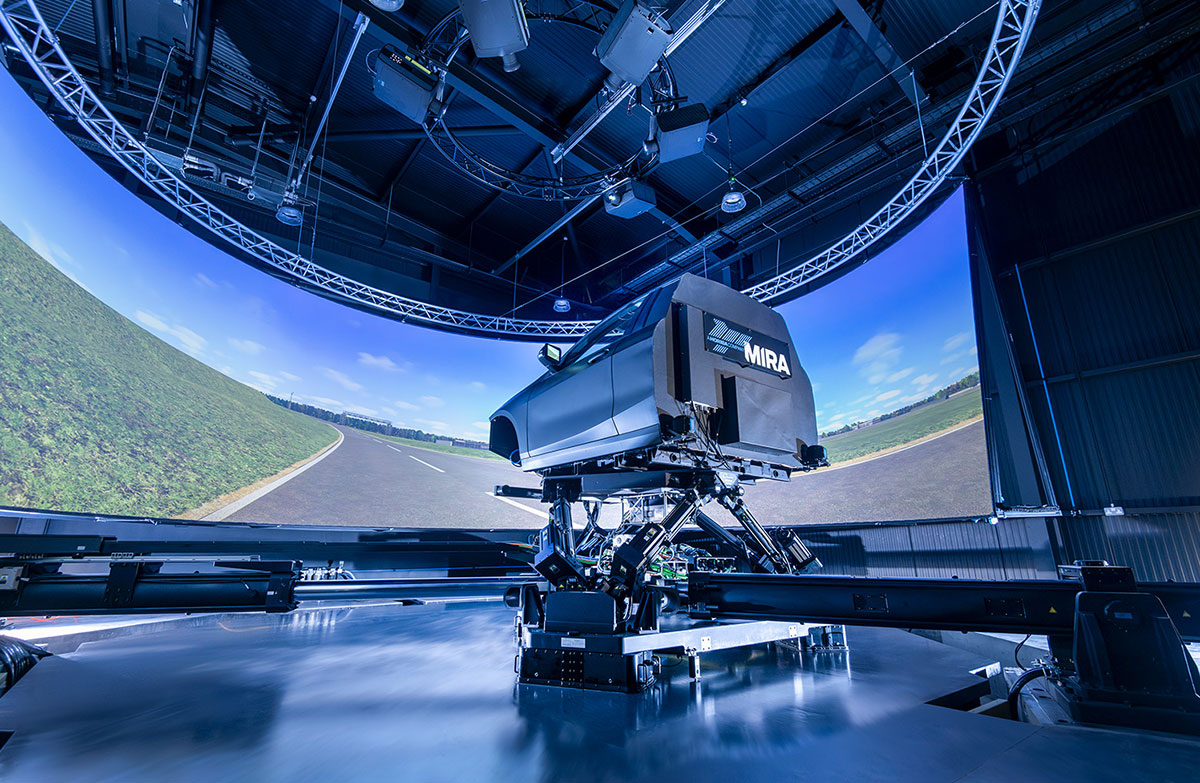
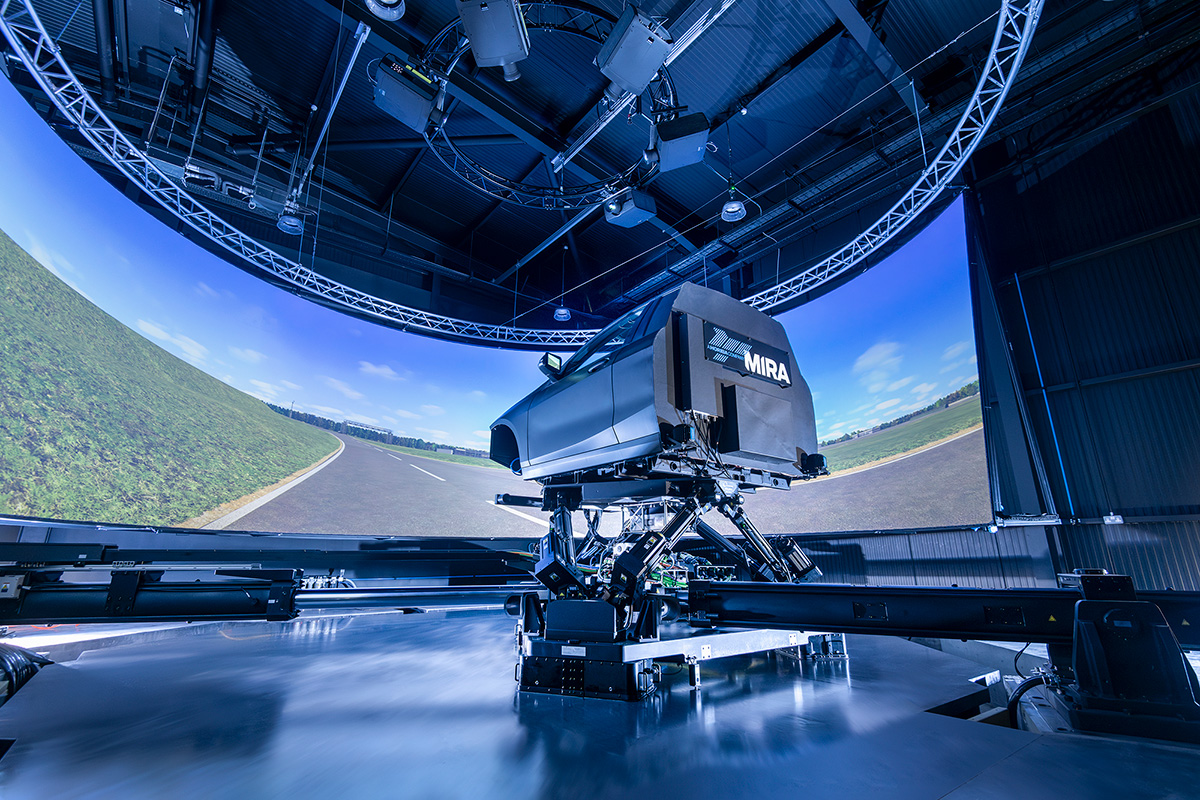
MIRA's latest innovation to help solve NVH problems is a Brüel & Kjær vehicle noise simulator which allows you to drive a virtual vehicle in a realistic environment.
The Pavé surface is ideal for chassis, suspension, mountings and components durability testing and development.
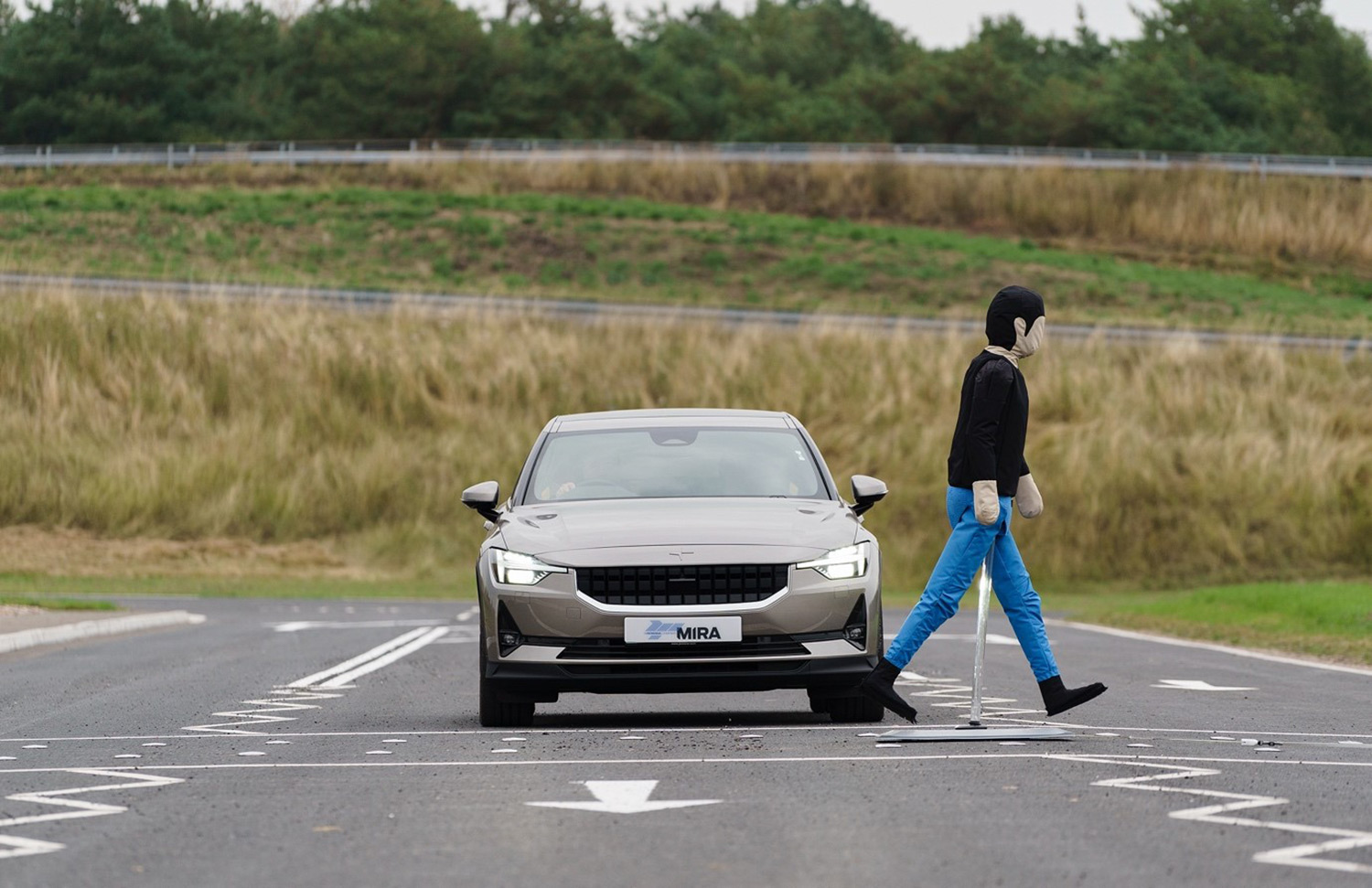
MIRA’s pedestrian test capability has been continuously developed over 15 years to give a high-quality service and rapid turnaround. With experienced staff, a fully climate controlled laboratory, dedicated instrumentation and high-speed video equipment, it provides a complete service.
The proving ground has a comprehensive range of worldwide road features to test your vehicle.
MIRA has the capability to conduct full scale rail crash testing at the Long Marston facility near Stratford upon Avon Warwickshire. Operated by the Rail Alliance, the facility provides the optimum location for conducting structural crash testing to the European TSI and EN15227 scenarios 1 and 2.
The resonance road is ideal for conducting accelerated structural durability testing.
The ride and handling circuit is ideal for durability and chassis development.
The steering pad is ideal for conducting vehicle roll-over testing.
The straight-line wet grip surfaces are ideal for developing tyres, braking systems (ABS) and traction control (ASR).
The test hills are ideal for conducting handbrake and clutch abuse tests.
The twin horizontal straights are ideal for performance and coast down work. While the Stone Road is suitable for underbody protection.
MIRA has built an exclusive-use UGV proving ground at the main site in the Midlands which is used extensively for systems and vehicle development.
All MIRA's proving ground facilities allow our customers to conduct vehicle testing and development in a controlled and secure environment.
The corrosion chamber, salt splash and mud trough allow for full vehicle accelerated corrosion testing.
MIRA's whole-vehicle environmental test chambers are for extreme temperature testing with humidity and solar loading options. MIRA's twin chambers accommodate two passenger cars separately or, when linked together, one commercial vehicle.
MIRA has played an influential role in exhaust emissions development and was the first truly independent emissions test laboratory. We now have ambient emissions capability in the Vehicle Exhaust Emissions Lab (VEEL) and climatic emissions capability in one of our Climatic Wind Tunnels (CWTone).
MIRA’s proving ground is one the largest, most comprehensively specified and truly independent automotive proving grounds in the world. Located in the Midlands, at the heart of the UK Automotive cluster, MIRA offers every kind of global driving challenge from one location in complete safety and security.
The Vehicle Semi Anechoic Chassis Dynamometer (VSACD) is used for interior and exterior noise testing. The semi anechoic property of the facility replicates a free field environment allowing testing to be conducted in a controlled and repeatable environment, eliminating the influence of ambient weather conditions.
The wading troughs allow for full vehicle water ingress testing, and the evaluation of brakes, components and electrical systems under extreme wet conditions.
The wet handling and cornering facility is ideal for developing, tyres, braking systems (ABS) and traction control (ASR).